Policy & Cybersecurity
PH arcades adapt to changing gaming habits while retaining social appeal


Video game arcades in the Philippines are facing growing competition from home consoles, personal computers and mobile devices, but continue to attract players who value the social experience of gaming outside their homes.
Located mainly in shopping malls, arcades remain gathering places for families, friends and gaming enthusiasts. Their appeal has evolved from traditional coin-operated games to a mix of modern attractions, including virtual reality, bowling, karaoke and specialized rhythm games.
The industry has a long history in the country, with earlier operators such as Fiesta Carnival, Glico’s and Time Out introducing generations of players to games including Street Fighter, Marvel vs. Capcom and Dance Dance Revolution.
Today, major operators include Timezone, Quantum Amusement, Tom’s World and World of Fun, which offer different combinations of arcade games and recreational activities.
Timezone, an international chain founded in Sydney in 1978, entered the Philippine market in 1998 through a branch at Ayala Center Cebu. It now operates more than 100 venues nationwide, according to the information provided.
Its attractions include conventional arcade machines, virtual reality games, bowling, billiards and karaoke. Its game selection also includes rhythm titles such as Pump It Up, maimai DX and Taiko no Tatsujin.
Quantum Amusement, established around 1996, has developed a following among players of music and rhythm games. Its machines include titles from Konami’s BEMANI series, such as SOUND VOLTEX and Dance Dance Revolution, as well as Sega’s CHUNITHM and maimai DX.
Tom’s World offers a range of arcade games and operates in other Asian markets, including China and Taiwan. World of Fun, which began as PACO Amusement Center at SM North EDSA in December 1987, has expanded to more than 100 branches nationwide.
The two operators offer games across several categories, including fighting and racing titles, as well as older machines that appeal to players interested in classic arcade experiences.
Despite their continued presence, arcade operators face pressure from changing entertainment habits. Home gaming systems and mobile devices allow consumers to play without travelling to malls or paying for individual sessions.
Running an arcade also involves substantial expenses, including machine purchases, repairs, rent, utilities, inventories and licensing agreements with game developers. Operators must maintain equipment and secure the rights needed to keep certain titles available.
The COVID-19 pandemic added to those difficulties. Lockdowns and restrictions on public gatherings disrupted arcade operations, forcing some smaller businesses to close. Larger operators also reduced their operations, with some locations remaining permanently shut after the pandemic.
However, arcades continue to offer an experience that home gaming cannot fully replicate: playing alongside other people in a shared physical space.
Dedicated gaming communities still meet at arcades to compete, practise and socialize, particularly around rhythm games. Informal gatherings and shared interests have helped maintain regular audiences even as the industry adjusts to changing consumer preferences.
For some players, these venues have also become places where friendships develop through repeated visits and shared activities.
The industry’s prospects may therefore depend on how operators balance traditional arcade games with newer attractions while preserving the social interaction that distinguishes them from home-based entertainment.
Rather than relying solely on nostalgia, arcades are adapting their offerings to appeal to both casual visitors and committed gaming communities.

e-Government
NTC mobilizes regional offices for Undas 2026 public assistance
The NTC directed regional offices to coordinate with government and private groups in supporting public safety operations during Undas from Oct. 31 to Nov. 2.

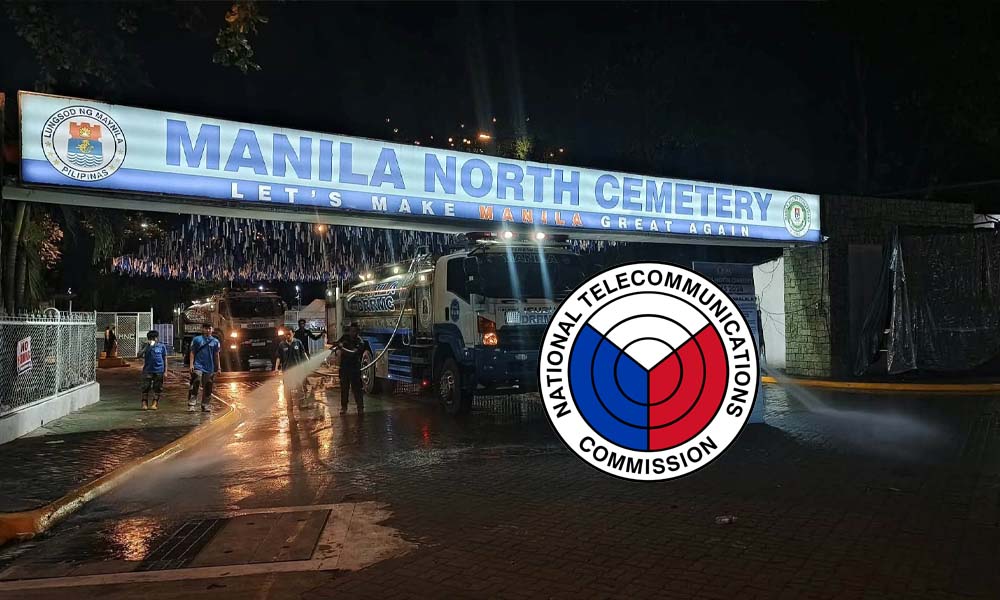
The National Telecommunications Commission (NTC) has directed its regional offices nationwide to coordinate with government agencies and private sector groups in supporting public safety and emergency assistance operations during the observance of All Saints’ Day and All Souls’ Day from Oct. 31 to Nov. 2.
In a memorandum issued on Friday, October 30, NTC Commissioner Ella Blanca Lopez instructed regional directors to work with local government units, law enforcement agencies, disaster risk reduction offices and emergency response units in their respective areas.
The directive aims to ensure effective communications and coordination among agencies as millions of Filipinos are expected to visit cemeteries, memorial parks and other places to pay tribute to deceased relatives.
Regional offices were also ordered to monitor the operations of Civic Action Groups and Amateur Radio Groups, including their assigned routes, personnel locations, assistance posts and radio base stations throughout the Undas period.
The NTC said it would coordinate with telecommunications service providers when necessary to address reported service problems and help maintain reliable communications, particularly in areas expected to see increased public activity and mobile network traffic.
The commission also urged the public to observe safety advisories, take note of local emergency hotlines, keep mobile phones charged and maintain contact with family members. It reminded the public to use available communication channels responsibly, especially when requesting emergency assistance.
e-Government
How young is too young? Lawmakers debate social media age limits for children
Lawmakers are debating proposed age restrictions on social media, with differing views on whether children should be prohibited from accessing platforms until they reach 13 or 18 years old.


The debate over children’s access to social media is gaining ground in the Philippines, with lawmakers divided over whether users should be barred from the platforms until they turn 13 or 18.
The Senate and House of Representatives have approved separate measures seeking to restrict minors’ access to social media, reflecting growing concerns about online safety, cyberbullying, exploitation and exposure to harmful content.
The Senate approved Senate Bill 2424, or the SMART KIDS Act, by a vote of 16-1, with Senator Risa Hontiveros casting the lone dissenting vote.
The measure would prohibit individuals below 18 from accessing age-restricted social media platforms and require users to verify their ages through government-issued identification.
It would exempt services such as email, private messaging, educational platforms, news services and gaming applications, The Filipino Times reported.
The House adopted a less restrictive approach, approving House Bill 11566, or the SAFE KIDS Act, by a vote of 287-3 on Oct. 12.
The proposed measure would prohibit children below 13 from accessing social media, while allowing those aged 13 to under 18 to use the platforms under restrictions.
The two chambers must reconcile their differing age limits through a bicameral conference committee before the proposed legislation can be submitted to the president for approval.
Neither measure has become law.
Safety concerns versus access to technology
Supporters of the restrictions argue that younger users face risks from cyberbullying, online grooming, sexual exploitation and exposure to inappropriate material.
Online fraud is another concern. A Global Anti-Scam Alliance survey cited in the report found that one in five parents said their child had been victimized by a scam.
The proposed restrictions are intended to strengthen safeguards for minors as their use of digital platforms becomes more widespread.
But critics have questioned whether a broad prohibition would adequately address the risks while preserving the benefits children and families derive from online communication.
Hontiveros warned that restricting access could affect young people’s opportunities to earn income online and limit communication among families, particularly those with members working overseas.
She also raised concerns about the potential impact on the ability of users to report abuse, the Daily Tribune reported.
Experts question blanket restrictions
Mental health specialists and child welfare advocates have also called for a more targeted approach to regulating social media use among minors.
Dr. Anthony Grecia of the Philippine Mental Health Association said there was no clear scientific evidence establishing that social media directly causes violent behavior among young people.
Ace Diloy of the Stairway Foundation, meanwhile, advocated addressing potentially harmful platform features rather than relying solely on age-based restrictions.
These include infinite scrolling and algorithm-driven recommendations, which can influence the type and volume of content users encounter, The Manila Times reported.
The differing positions highlight a broader challenge for policymakers: protecting children from online harm without unnecessarily restricting access to information, communication and other digital opportunities.
The role of parents and schools
While lawmakers work toward a common version of the proposed legislation, families and schools remain important in helping children navigate online spaces.
Parents, teachers and older siblings can take an active role by discussing the content children encounter, understanding the applications they use and recognizing how online interactions affect their well-being.
Setting limits on screen time, including keeping meals free from electronic devices, can also encourage healthier digital habits.
Regular conversations about online experiences may help children identify inappropriate behavior, recognize potential scams and seek assistance when they encounter harmful content.
Ultimately, legislation can establish minimum safeguards, but protecting children online also requires continued guidance and involvement from families, educators and the wider community.
e-Government
Manila promotes online grave locator for Undas cemetery visits
Manila encourages families to use online Puntod Finder services to locate graves at North and South cemeteries, helping visitors organize Undas trips and navigate crowded burial grounds more efficiently.

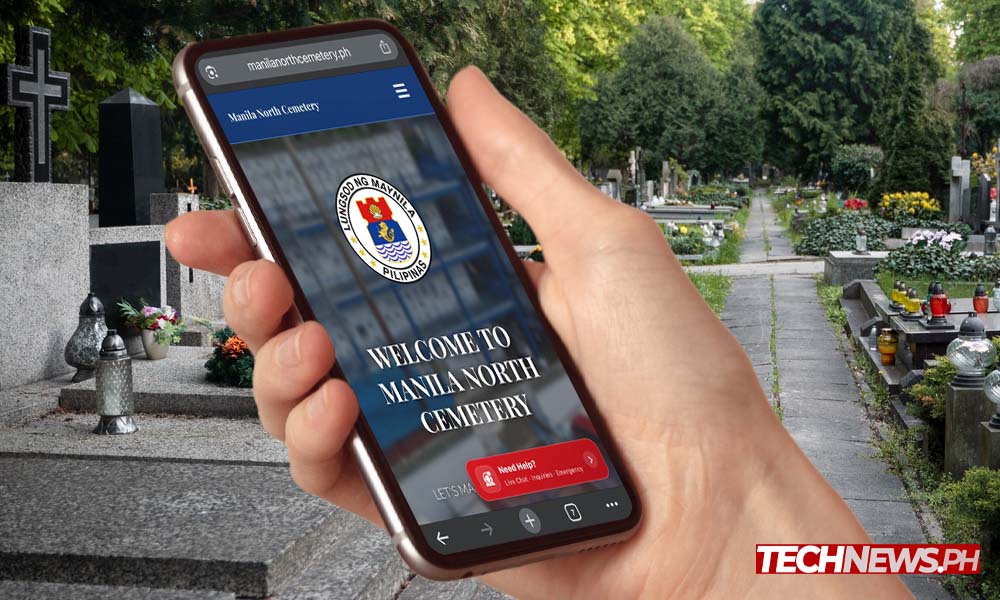
The Manila city government is urging residents to use its online grave locator services to find burial sites at the Manila North and South cemeteries ahead of the observance of All Saints’ Day and All Souls’ Day on Nov. 1 and 2.
The digital services, known as Puntod Finder, allow users to search for deceased relatives by name and identify their burial locations, potentially reducing the time spent navigating the cemeteries during the annual influx of visitors.
The online locator for Manila North Cemetery is available at https://manilanorthcemetery.ph, while the Manila South Cemetery service can be accessed at https://manilasouthcemetery.com.
The tools may help families who have not visited burial sites for several years or no longer remember the exact locations of their relatives’ graves.
Visitors are advised to check search results before travelling and ensure they are using the website corresponding to the correct cemetery.
Manila South Cemetery will be open from 5 a.m. to 9 p.m. from Oct. 31 to Nov. 2, according to the information provided.
The city government also advised visitors to check cemetery announcements for operating schedules, entry requirements, vehicle restrictions and deadlines for cleaning or painting tombs.
Cemetery visits during Undas often involve large crowds and extended walking distances. Families are encouraged to allow additional travel time, bring drinking water and wear comfortable footwear.
The online locator is intended to help visitors organize their trips, particularly those accompanying senior citizens, children and relatives who may have difficulty walking across large cemetery grounds.
Undas is an annual Filipino tradition in which families visit the graves of departed relatives to offer prayers, flowers and candles and spend time remembering loved ones.


From online prayers to digital candles, Filipinos find new ways to remember loved ones

PT Sports taps Dawn Bulls to compete in November Dota 2 tournaments

Digital Walker offers discounts on Apple devices, accessories at new Taguig store
From online prayers to digital candles, Filipinos find new ways to remember loved ones

Online gambling takes financial, personal toll on Filipino players
Digital Walker offers discounts on Apple devices, accessories at new Taguig store
-
 Features & Explainers3 days ago
From online prayers to digital candles, Filipinos find new ways to remember loved ones
-
 Features & Explainers7 months ago
Online gambling takes financial, personal toll on Filipino players
-
 Computing (PCs & Laptops)4 days ago
Digital Walker offers discounts on Apple devices, accessories at new Taguig store
-

 Artificial Intelligence5 days ago
Enterprises Do Not Have a Problem with Access to Technology, but with Choice
-
 Gaming & Esports3 days ago
PT Sports taps Dawn Bulls to compete in November Dota 2 tournaments
-

 Enterprise Tech2 weeks ago
TP recognized for sustainability, innovation at Asia CEO Awards
-

 Gaming & Esports5 months ago
Nintendo opens first authorized store in PH
-

 Telecom & Connectivity1 week ago
PLDT Enterprise brings Starlink, digital solutions to Zamboanga businesses