
Features & Explainers
From online prayers to digital candles, Filipinos find new ways to remember loved ones
Filipinos observing All Saints’ Day and All Souls’ Day are increasingly combining traditional cemetery visits, candle lighting and flower offerings with online prayers, digital candles and social media tributes.

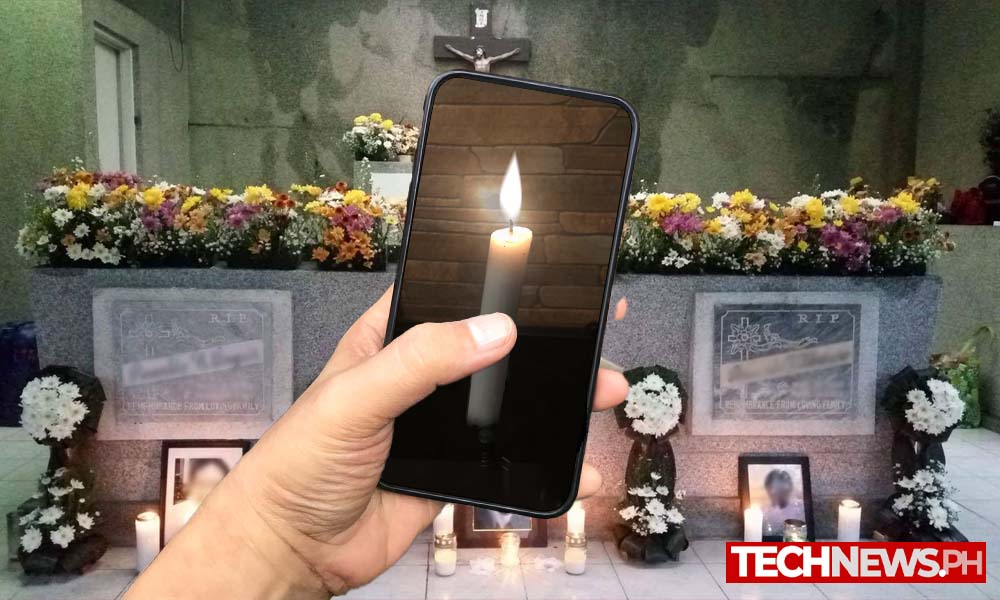
As Filipinos observe All Saints’ Day and All Souls’ Day, the familiar traditions of lighting candles, offering flowers and visiting cemeteries are increasingly finding a place alongside digital expressions of remembrance.
Social media platforms, particularly Facebook, have become spaces where some Filipinos share memories of deceased relatives, offer condolences and take part in online prayer gatherings, extending the observance of Undas beyond cemeteries and family homes.
A 2025 study published in The Filipino Family Physician examined how 10 bereaved Filipino adults used Facebook to cope with the loss of loved ones.
Participants described changing their profile pictures to images of candles, joining online prayer gatherings known as “padasal” and attending virtual wakes, or “lamay,” through video calls.
The study found that messages of sympathy from friends and other users helped ease the emotional burden of bereavement. Interactions with people who had experienced similar losses also helped participants feel less isolated in their grief.
Although the research involved only a small group and cannot represent the experiences of all grieving Filipinos, it highlights how social media has become another avenue for expressing sympathy and maintaining connections during periods of mourning.
Technology has also provided practical ways to observe Undas, particularly for families seeking to locate the graves of relatives.
The Manila city government has encouraged the public to use its online grave-finding service for the Manila North and South Cemeteries, allowing visitors to search for burial locations before making their trips.
Digital religious services also gained attention during cemetery closures in 2021. Online options included the Catholic Bishops’ Conference of the Philippines’ Undas Online platform, which allowed users to light virtual candles, and parish Masses streamed through Facebook Live, according to GMA News reports at the time.
The growing use of digital platforms for mourning reflects the country’s extensive social media activity. Active Android users in the Philippines spent an average of about one hour and 31 minutes daily on Facebook, according to DataReportal’s Digital 2026 report.
But online expressions of grief have limitations.
Participants in the 2025 study emphasized that virtual interactions could not replace physical gestures of comfort, particularly the embrace of family members and friends during a wake.
The study’s authors recommended establishing guidelines for digital mourning and creating online spaces that take Filipino cultural practices into account.
The shift toward online remembrance also raises questions about how people use social media to express grief, particularly the distinction between sharing memories for personal comfort and turning loss into a public display.
For many families, digital platforms offer an additional way to remember those who have died, especially when distance or other circumstances make physical visits difficult.
Still, the traditional observance of Undas remains rooted in gathering with relatives, visiting graves and offering prayers for the departed.
Virtual candles and online prayers may extend these practices, but they do not necessarily replace the personal connections and shared experiences that have long defined the Filipino tradition of remembering loved ones.





e-Government
How young is too young? Lawmakers debate social media age limits for children
Lawmakers are debating proposed age restrictions on social media, with differing views on whether children should be prohibited from accessing platforms until they reach 13 or 18 years old.
The debate over children’s access to social media is gaining ground in the Philippines, with lawmakers divided over whether users should be barred from the platforms until they turn 13 or 18.
The Senate and House of Representatives have approved separate measures seeking to restrict minors’ access to social media, reflecting growing concerns about online safety, cyberbullying, exploitation and exposure to harmful content.
The Senate approved Senate Bill 2424, or the SMART KIDS Act, by a vote of 16-1, with Senator Risa Hontiveros casting the lone dissenting vote.
The measure would prohibit individuals below 18 from accessing age-restricted social media platforms and require users to verify their ages through government-issued identification.
It would exempt services such as email, private messaging, educational platforms, news services and gaming applications, The Filipino Times reported.
The House adopted a less restrictive approach, approving House Bill 11566, or the SAFE KIDS Act, by a vote of 287-3 on Oct. 12.
The proposed measure would prohibit children below 13 from accessing social media, while allowing those aged 13 to under 18 to use the platforms under restrictions.
The two chambers must reconcile their differing age limits through a bicameral conference committee before the proposed legislation can be submitted to the president for approval.
Neither measure has become law.
Safety concerns versus access to technology
Supporters of the restrictions argue that younger users face risks from cyberbullying, online grooming, sexual exploitation and exposure to inappropriate material.
Online fraud is another concern. A Global Anti-Scam Alliance survey cited in the report found that one in five parents said their child had been victimized by a scam.
The proposed restrictions are intended to strengthen safeguards for minors as their use of digital platforms becomes more widespread.
But critics have questioned whether a broad prohibition would adequately address the risks while preserving the benefits children and families derive from online communication.
Hontiveros warned that restricting access could affect young people’s opportunities to earn income online and limit communication among families, particularly those with members working overseas.
She also raised concerns about the potential impact on the ability of users to report abuse, the Daily Tribune reported.
Experts question blanket restrictions
Mental health specialists and child welfare advocates have also called for a more targeted approach to regulating social media use among minors.
Dr. Anthony Grecia of the Philippine Mental Health Association said there was no clear scientific evidence establishing that social media directly causes violent behavior among young people.
Ace Diloy of the Stairway Foundation, meanwhile, advocated addressing potentially harmful platform features rather than relying solely on age-based restrictions.
These include infinite scrolling and algorithm-driven recommendations, which can influence the type and volume of content users encounter, The Manila Times reported.
The differing positions highlight a broader challenge for policymakers: protecting children from online harm without unnecessarily restricting access to information, communication and other digital opportunities.
The role of parents and schools
While lawmakers work toward a common version of the proposed legislation, families and schools remain important in helping children navigate online spaces.
Parents, teachers and older siblings can take an active role by discussing the content children encounter, understanding the applications they use and recognizing how online interactions affect their well-being.
Setting limits on screen time, including keeping meals free from electronic devices, can also encourage healthier digital habits.
Regular conversations about online experiences may help children identify inappropriate behavior, recognize potential scams and seek assistance when they encounter harmful content.
Ultimately, legislation can establish minimum safeguards, but protecting children online also requires continued guidance and involvement from families, educators and the wider community.
Features & Explainers
Facebook outages highlight Filipinos’ reliance on social media
A September Facebook and Instagram outage highlighted Filipinos’ reliance on social media for communication, news and commerce, underscoring the need for alternative channels among households and businesses.

A brief disruption affecting Facebook and Instagram in September has highlighted the dependence of millions of Filipinos on social media platforms for communication, access to information and business transactions.
The incident, which occurred on September 20 in the United States, September 21 in Philippine time, temporarily disrupted both services before they largely recovered.
As of October 13, 2026, outage-tracking services were not reporting a widespread Facebook disruption.
But the September incident underscored how interruptions to a single platform can affect activities extending beyond social networking, particularly in a country where Facebook is widely used by households, communities and businesses.
DataReportal’s Digital 2026: The Philippines report estimated that Facebook’s potential advertising reach stood at 95.8 million users in late 2025, equivalent to 81.9% of the country’s population.
The figure is based on Meta’s advertising tools and does not represent a verified count of unique or active users.
For many Filipinos, Facebook and its messaging service Messenger serve as regular channels for communicating with relatives, sharing community announcements and coordinating daily activities.
Local Facebook groups are also used to exchange information about road conditions, missing pets, public services and other neighborhood concerns.
An interruption can therefore leave users temporarily disconnected from networks they have come to rely on for both personal and practical matters.
Small businesses face communication gaps
The effects can extend to micro, small and medium enterprises that use Facebook pages, groups and Messenger to promote products, respond to inquiries and process orders.
Businesses operating primarily through social media may struggle to communicate with customers when the platform becomes inaccessible, potentially delaying transactions or causing them to miss inquiries.
An outage does not necessarily translate into lost sales for every online seller, but it exposes the risks of relying on one service for customer access and communication.
Businesses with independent websites, alternative messaging channels and separate customer records may be better positioned to maintain operations during disruptions.
September outage affected thousands of users
During the September incident, Downdetector recorded more than 17,000 reports of Facebook problems and over 5,000 reports involving Instagram at the peak of the disruption, Reuters reported.
The number of complaints subsequently dropped sharply, indicating that services had largely returned to normal.
Users in several countries, including the Philippines, also reported difficulties accessing the platforms.
The figures represented reports submitted by users to Downdetector rather than a verified count of affected accounts. Meta had not immediately provided an explanation for the disruption, according to Reuters.
Not every difficulty accessing Facebook necessarily indicates a platform-wide outage. Internet connectivity problems, application errors and account-specific issues can produce similar symptoms.
Dependence extends beyond social networking
The growing use of social media for commerce and information also creates potential vulnerabilities for the wider digital economy.
Digital payment services and banking applications may continue operating during a Facebook disruption, but customers and merchants can still lose access to the channels they use to discover products, communicate and arrange transactions.
This highlights the importance of maintaining reliable alternatives for customer communication and service delivery, particularly among businesses whose operations are concentrated on social media.
For households, keeping important telephone numbers and agreeing on alternative communication methods can help prevent temporary disruptions from becoming bigger problems.
Businesses can maintain email accounts, websites or other messaging services, while online sellers can keep customer and order information in secure systems separate from their social media accounts.
Residents should also have access to official information sources and emergency contacts outside social media platforms.
Facebook remains an important communication and business tool for many Filipinos. But the September disruption serves as a reminder that convenience can create dependence when too many activities are concentrated in one digital service.
The challenge is not necessarily to reduce social media use, but to ensure that families, communities and businesses have other ways to communicate and operate when their preferred platform becomes unavailable.
Features & Explainers
Beyond screens: Looking at the deeper causes of school violence in the Philippines
School tragedies renew calls for child protection, while debate grows over whether gaming and social media restrictions address deeper causes of youth violence.


Recent school tragedies in the Philippines have renewed calls for stronger safeguards for children, but the government’s response has also raised questions about whether restrictions on video games and social media are addressing the factors behind youth violence.
Three incidents in schools during the second half of the year have drawn attention to the involvement of young perpetrators and the challenges facing families, educators and authorities in preventing such cases.
Government agencies, in response, have moved to tighten oversight of online platforms. The Department of Information and Communications Technology (DICT) and the Cybercrime Investigation and Coordinating Center (CICC) pressed Reddit and Discord to establish local offices, threatening a nationwide ban if they failed to comply.
Both platforms remain accessible. Discord was briefly blocked before authorities reversed the move following public criticism.
The measures have added to a debate over whether restricting digital platforms and entertainment is an effective way to protect children, particularly when other potential contributors to youth violence remain difficult to address.
Among the issues raised are online gambling, limited access to mental healthcare, unsecured firearms and inadequate parental supervision.
Online gambling and its effects
Online gambling has expanded the reach of betting by allowing users to wager through mobile devices rather than visiting physical gambling venues.
Platforms including Bingo Plus, 789, MegaFUNalo and Luckpot are among those accredited by the Philippine Amusement and Gaming Corporation (PAGCOR).
But the activity can carry serious financial and social consequences, including debt, psychological distress, strained relationships and problems at work. Such pressures can also expose vulnerable individuals to circumstances that may lead to criminal activity.
President Ferdinand Marcos Jr. ordered a ban on Philippine offshore gaming operators, or POGOs, in 2024, targeting offshore gambling operations. Domestic online gambling platforms, however, continued operating.
In 2025, Senator Juan Miguel Zubiri filed a bill seeking to prohibit online gambling, describing it as a “silent epidemic” affecting Filipino families. The proposed measure remains pending.
The contrast has prompted questions about the government’s priorities in regulating digital activities, particularly as authorities consider restrictions on platforms used for communication and entertainment.
A widening mental health gap
The state of mental healthcare is another concern, especially for children and adolescents dealing with emotional distress, bullying and other pressures.
An estimated 12.5 million Filipinos have a mental health condition, with depression affecting most of them, according to figures cited in the provided material. The country has only 1,821 mental health workers to serve this population, many of them concentrated in and around Metro Manila.
The shortage leaves many communities, particularly in rural areas, with limited access to professional support.
Schools also face the challenge of addressing bullying, which can contribute to anxiety and emotional distress among students. Research cited in the material has identified revenge and deep-seated anxiety as possible factors in school violence.
These concerns point to the need for accessible psychological services and early intervention, rather than relying solely on restrictions imposed after incidents occur.
The risks of unsecured firearms
Access to firearms has also emerged as a concern following a school shooting in Tacloban, in which a suspect reportedly obtained a service firearm belonging to an aunt who was a police officer.
The relative faced criminal complaints and administrative sanctions over alleged negligence, according to the Department of the Interior and Local Government.
The incident highlighted the risks posed by improperly secured firearms in homes, particularly where children and adolescents may have access to them.
The Philippines has laws regulating firearm ownership and possession under Republic Act No. 10591. But the incident raises questions about compliance, household storage practices and the enforcement of existing safeguards.
The role of parents and guardians
Parental supervision is another part of the debate over children’s safety, both online and offline.
Children who lack guidance may be left to navigate digital platforms, social pressures and emotional difficulties without adequate support. Abuse and neglect can further compound their vulnerability.
Authorities have urged parents and guardians to monitor children’s internet use, but digital restrictions alone cannot replace consistent supervision and communication within families.
Proposals requiring age verification on online platforms have also raised concerns about privacy and civil liberties, particularly if broad restrictions affect users who rely on these services for work, education and communication.
A broader approach to child protection
The recent school incidents have intensified scrutiny of how the government responds to threats facing young people. But focusing primarily on video games and social media risks overlooking other problems that require sustained attention.
Online gambling, gaps in mental healthcare, access to unsecured firearms, bullying and inadequate parental supervision each present distinct challenges. Addressing them requires more than restrictions on digital platforms.
Reddit and Discord, for example, are also used for professional collaboration and communication. Measures that threaten access to such services could affect communities and workers who depend on them for legitimate purposes.
Protecting children requires a broader approach that combines effective law enforcement with mental health support, responsible firearm storage, school-based intervention and stronger family involvement.
The challenge for authorities is to identify the circumstances that put young people at risk and develop safeguards that address those conditions without treating digital entertainment as a substitute explanation for more complex social problems.


From online prayers to digital candles, Filipinos find new ways to remember loved ones

PT Sports taps Dawn Bulls to compete in November Dota 2 tournaments

Digital Walker offers discounts on Apple devices, accessories at new Taguig store
From online prayers to digital candles, Filipinos find new ways to remember loved ones

Online gambling takes financial, personal toll on Filipino players
Digital Walker offers discounts on Apple devices, accessories at new Taguig store
-
 Features & Explainers7 months ago
Online gambling takes financial, personal toll on Filipino players
-
 Computing (PCs & Laptops)4 days ago
Digital Walker offers discounts on Apple devices, accessories at new Taguig store
-

 Artificial Intelligence5 days ago
Enterprises Do Not Have a Problem with Access to Technology, but with Choice
-
 Gaming & Esports3 days ago
PT Sports taps Dawn Bulls to compete in November Dota 2 tournaments
-

 Enterprise Tech2 weeks ago
TP recognized for sustainability, innovation at Asia CEO Awards
-

 Gaming & Esports5 months ago
Nintendo opens first authorized store in PH
-

 Telecom & Connectivity1 week ago
PLDT Enterprise brings Starlink, digital solutions to Zamboanga businesses
-

 e-Government5 days ago
How young is too young? Lawmakers debate social media age limits for children